
Celebrating a decade of wellness... The Atmantan Way!

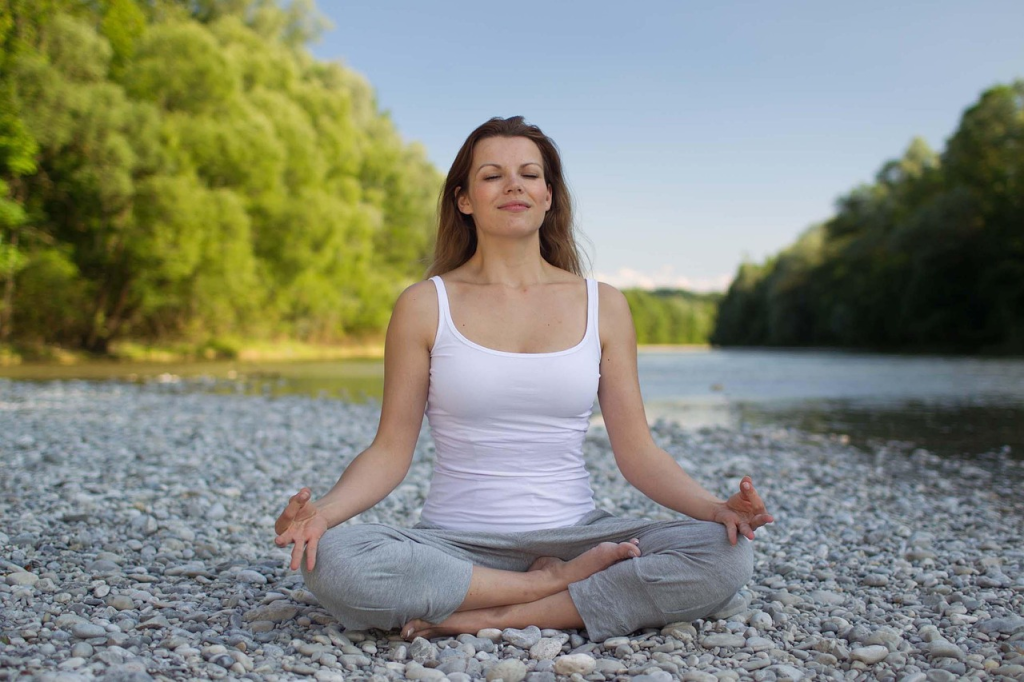
Ever wondered why some people swear by meditation while others struggle to sit still for even five minutes?
Both time and research prove that Meditation has stood the test of life, remaining a simple and effective way to find calm in our hectic modern lives. Whether you want to quieten a racing mind, break the cycle of tension after a long workday, or find the much-needed clarity before making important decisions, meditation can be taken on such that it fits your routine and personality.
However, the real challenge isn’t whether meditation works, cause it most definitely does; it’s figuring out which type of meditation aligns best with your energy, goals, and lifestyle.
With many different types of meditation practices and methods to meditate, ranging from movement-based exercises to breath-focused techniques, understanding the options is the first step toward discovering the most effective way to meditate and experiencing the full range of meditation benefits.
At its core, meditation is the practice of training the mind to achieve a state of calm, clarity, focus, and relaxation. While techniques differ, most forms promote mindfulness, that involves sitting quietly, paying attention to thoughts, breath, or sensations, and gently guiding the mind back whenever it wanders.
People practice meditation for different reasons:
Do note that meditation is not about “stopping thoughts” entirely but is about observing them without judgment and therein cultivating awareness. This goal makes the entire practice flexible and inclusive with there being no single “right” way to meditate.
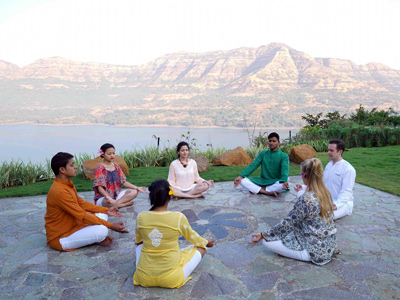
Mindfulness meditation is about training yourself to observe the present moment thoroughly, without judgment. Instead of pushing thoughts away, you simply notice these thoughts as they come and go like clouds moving across the sky. Typically, practitioners focus on their breathing or bodily sensations as an anchor. This style is popular because it is simple to learn, requires no special setting, and can be practised almost anywhere, even while eating or walking. It is often recommended for beginners who want a practical starting point. The focus in on the present moment without thinking of lapsing time or future commitments.
Spiritual meditation is used in many religious and spiritual traditions. It often involves sitting in silence, focusing on a higher power, or connecting with a sense of purpose. In some traditions, prayer and meditation overlap, while in others, it may involve reflection, chanting, or scripture reading.
People who practice spiritual meditation often describe it as a way of nurturing inner peace, staying present while strengthening their connection with their beliefs or values.
Focused meditation is centered on training the mind to hold attention on a single object, thought, or sound. For example, one might gaze at a candle flame, repeat a word, or listen closely to the rhythm of a drum. This style can be challenging at first because the mind naturally wanders, but over time, it helps sharpen concentration and discipline.
It is beneficial for those who want to improve productivity or develop stronger mental focus in daily tasks.
For people who find sitting still uncomfortable, movement meditation offers a fortunate alternative. Practices like Yoga, Tai chi, and walking meditation are common examples of this type of meditation. In these, awareness is brought to the body’s motions and sensations. Instead of zoning out, the person becomes more mindful of posture, balance, and breathing.
This form is ideal for individuals who feel most at ease when in motion and those who wish to combine physical activity with mindfulness.
Mantra meditation is about using a mantra/verse repeatedly as a core technique. Even a word, phrase, or sound of “om/aum”is repeated silently or out loud to anchor attention. The steady rhythm of the mantra helps quieten the mind and reduce distractions. People could even use affirmations like “I am calm” or “I am present”, “I am healthy” as their mantra. Over time, this repetition becomes second nature, allowing the practitioner to move into a deeper meditative state.
Transcendental Meditation (TM) is a more structured form of mantra meditation. Trained teachers give practitioners specific mantras, along with a technique that follows a standardised routine. This could be up to 20 minutes, twice, daily. Unlike casual mantra use, TM is highly systematic, with clearly defined procedures, which makes it widely adoptable by people globally. Many practitioners appreciate its predictability and the way it is learnt and passed on to them in a uniform manner. This meditation also helps build consistency into the daily lives.
Progressive relaxation, also called “body scan meditation,” focuses on releasing tension from different parts of the body. The practice usually starts from the feet and gradually moves upward. At each step, you consciously notice sensations such as warmth, pressure, or tightness and then focus and relax that area. It’s often used before sleep as a way to calm the body and prepare the mind for rest. The Yog nidra is one such popular meditation and many people find it helpful after long, stressful days.
In a visualisation meditation, you focus on mental imagery to bring about relaxation or motivation. For example, you might picture yourself in a peaceful forest, walking along a beach, or achieving a personal goal. Some athletes and performers use visualisation to prepare mentally before competitions or presentations. This form of meditation can be powerful because the brain often reacts to vivid imagery as though it were real, making it easier to build confidence or reduce stress. Practising this can also be an incredible manifestation tool.
Loving-kindness meditation, or Metta meditation, is about cultivating compassion for yourself and others. As you silently repeat phrases like, “May I be happy, may I be safe,” and then extend those wishes to loved ones, acquaintances, and eventually even to difficult people or strangers. Over time, this practice is said to encourage greater patience, empathy, and kindness in daily interactions. The incredible Twin Heart meditation by Master Choa, founder of Modern Pranic healing is one such meditation. This form of meditation is often chosen by people who want to nurture emotional well-being and strengthen relationships.
Choosing the right type of meditation depends on your goals, personality, and lifestyle. If you’re mainly looking to manage stress or improve sleep, mindfulness or progressive relaxation can be a good fit. For better focus and discipline, focused meditation or mantra repetition may feel more effective. If you want to develop empathy and compassion, loving-kindness meditation is worth exploring. People who find sitting still difficult might prefer movement-based practices like Yoga, Tai Chi, or walking meditation, while those who like structure may enjoy the routine of Transcendental Meditation. The best approach is to experiment with a few styles, notice how your mind and body respond, and choose the one you can stick with consistently.
The key to maximising meditation benefits is experimentation… Try several meditation practices for a week each, paying attention to which feels natural and sustainable. Notice whether you feel more energised, calm, or centred after each session. Meditation and wellness improve most when you practice consistently, so prioritise a technique you’ll actually maintain over one that simply sounds appealing. Even 5-10 minutes daily with the right method yields better results than sporadic longer sessions, making sustainability the ultimate factor in choosing your ideal practice.
Build your Calm through Habit
Meditation is not about chasing perfection, but should be about creating a daily practice that restores balance and clarity. Starting small, with mindful breathing, a mantra, or a body scan, can gradually build into a powerful routine.
As you explore different styles, notice what feels natural and supportive for you. Over time, these practices can become anchors that help you manage stress, improve focus, and bring balance into your daily routine.
The journey is not about quick results but about building a habit that slowly transforms the way you live and feel.
Your journey to wellness doesn’t begin in grand gestures. It begins here, with one conscious breath.
As mentioned above, meditation offers substantial scientific benefits for both brain and body.
With these various meditation techniques and types of meditation providing unique advantages for wellness meditation and mental health, research also shows that regular practice can physically restructure the brain, increase grey matter density in regions associated with memory, promote emotional regulation, and self-awareness, while reducing amygdala activity!
Meditation for stress and anxiety proves particularly effective, lowering cortisol levels and reducing inflammation markers that impact cardiovascular health.
Studies on meditation for depression and mindfulness meditation for anxiety demonstrate results often comparable to medication in clinical trials. Different types of meditation practices, from mindfulness to transcendental meditation, enhance attention span, cognitive flexibility, and working memory, with measurable improvements after just weeks.
Meditation for sleep addresses insomnia by calming the nervous system, while the best way to meditate depends on individual goals, whether managing stress, improving focus, or supporting overall meditation and wellness.
In conclusion, all these meditation benefits accumulate with consistent practice, strengthening immune function, improving sleep quality, and potentially slowing cellular ageing by preserving telomere length.
✅ Medically reviewed by Dr. Manoj Kutteri, Medical Director and Vice President – Integrated Wellness, Atmantan

Let's get you started on your Wellness Journey with us...

The everyday movements that keep your life your own.

This lifestyle management retreat is your auspicious beginning to wellness… you can now live the wellness way at Atmantan and make it your mantra for a lifetime.
A spa retreat, where you experience the invigorating, pampering Atmantan has to offer that nourishes your mind, and body.
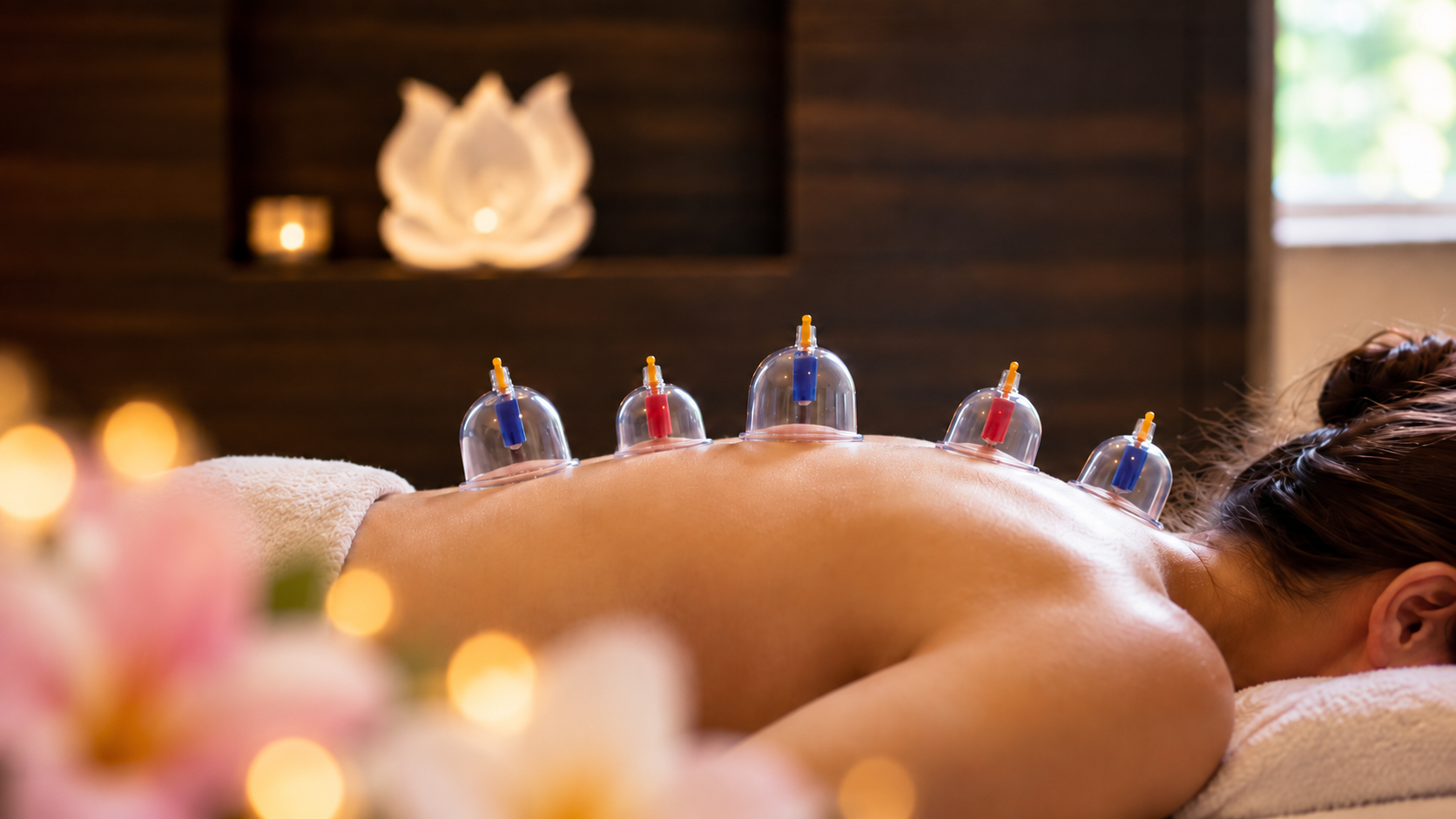
The ultimate cellular detoxification at Atmantan that enables toxin elimination, liver cleanse and enhanced therapeutic benefits.
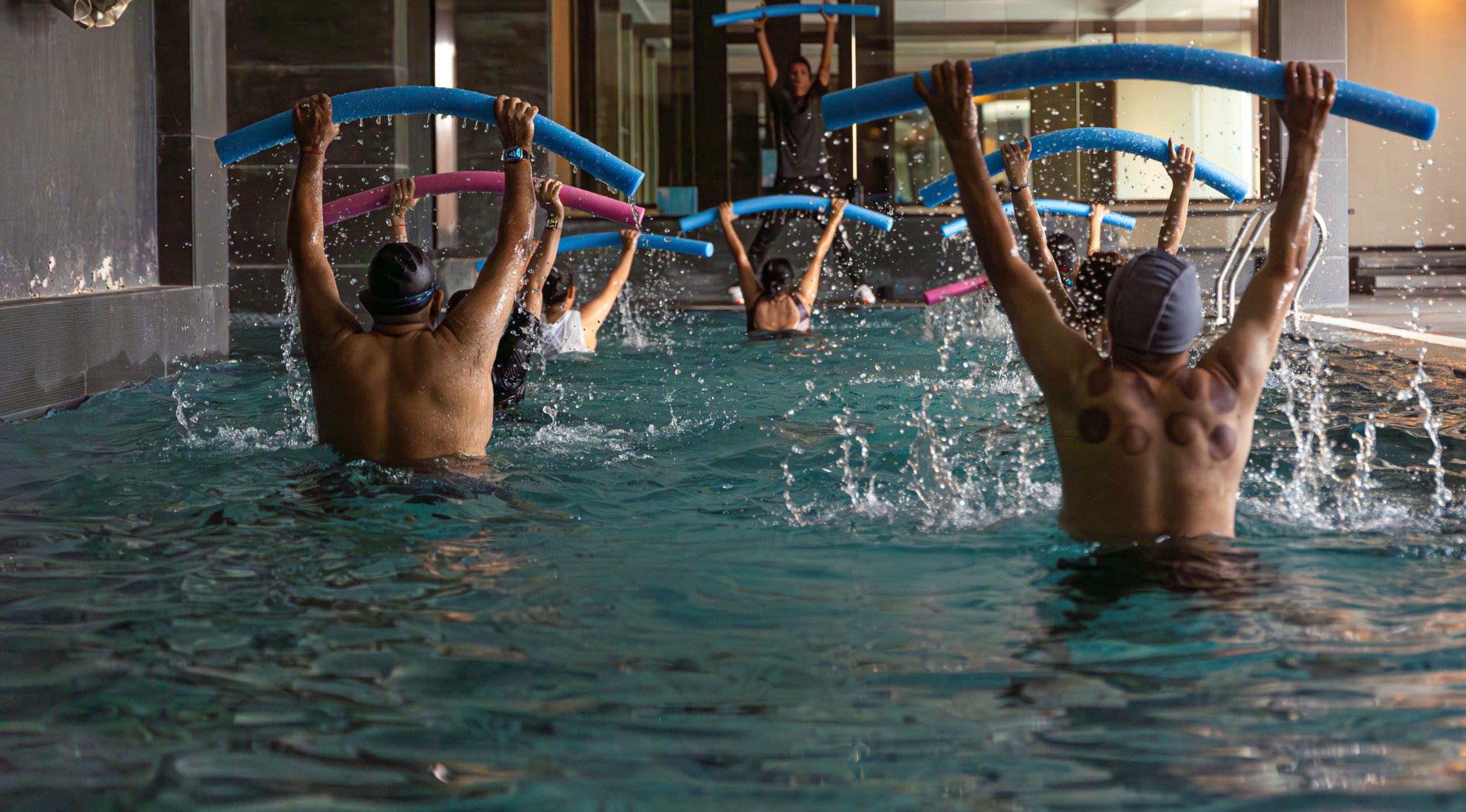
Discover a healthier you in this weight loss retreat, where you empower yourself to make positive lifestyle changes and get to a sustainable optimal body composition.
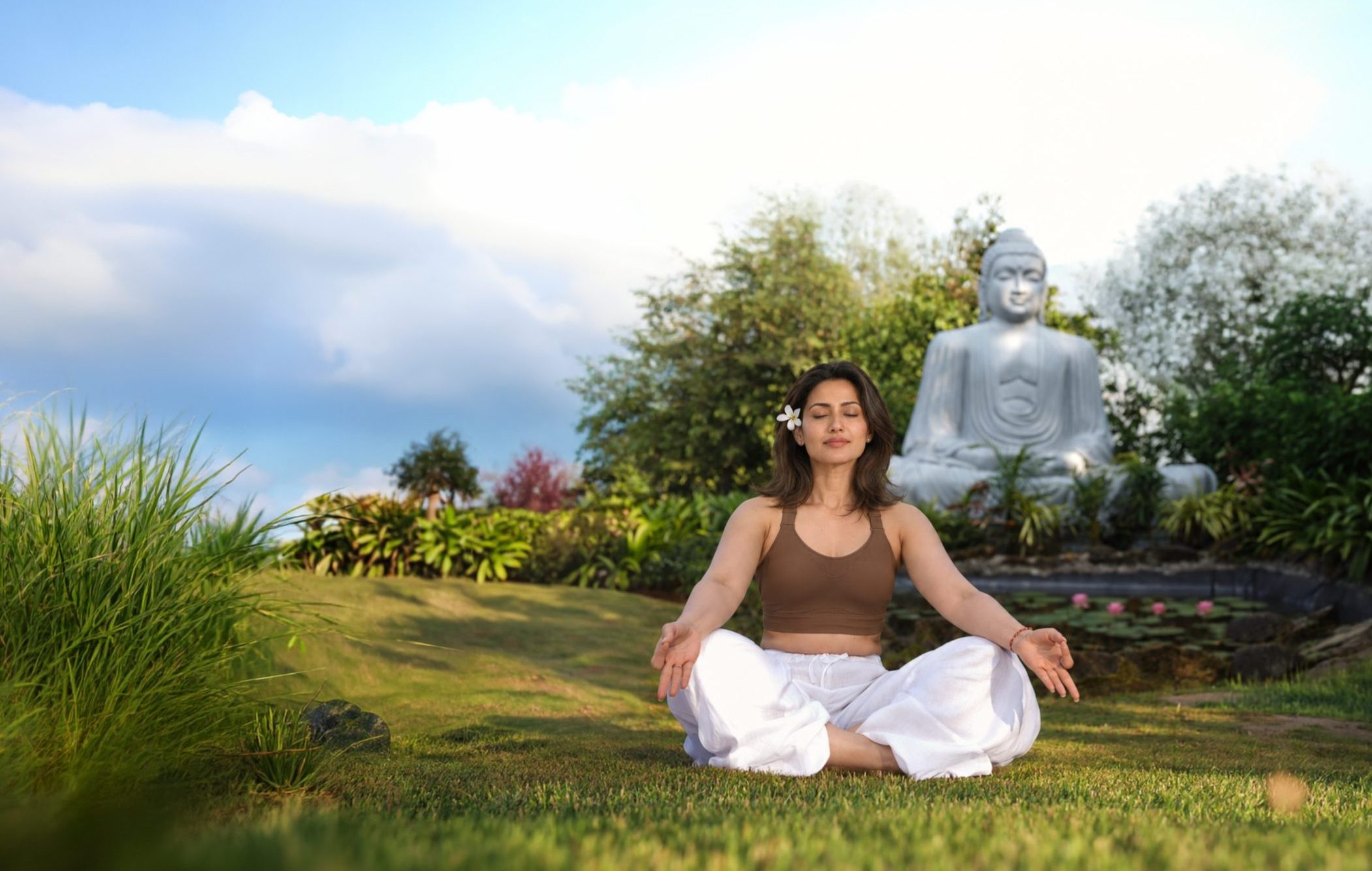
A Yoga retreat suited for a beginner to an advanced, where you can start anew or even delve deep into the ancient, sacred science of Yoga.
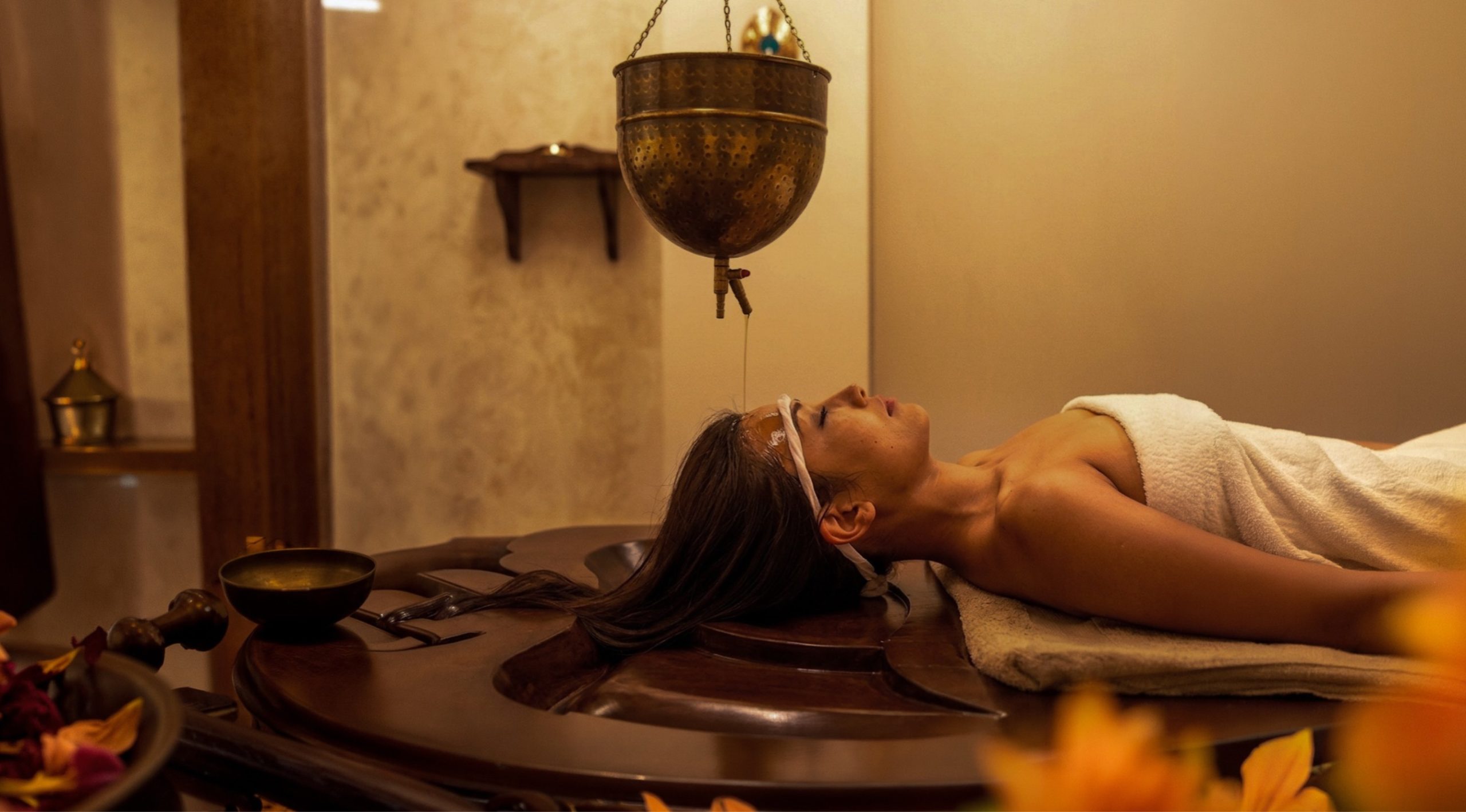
This Ayurveda retreat is the age-old journey of discovery, cleansing and the awakening of the inner healing energies and senses.
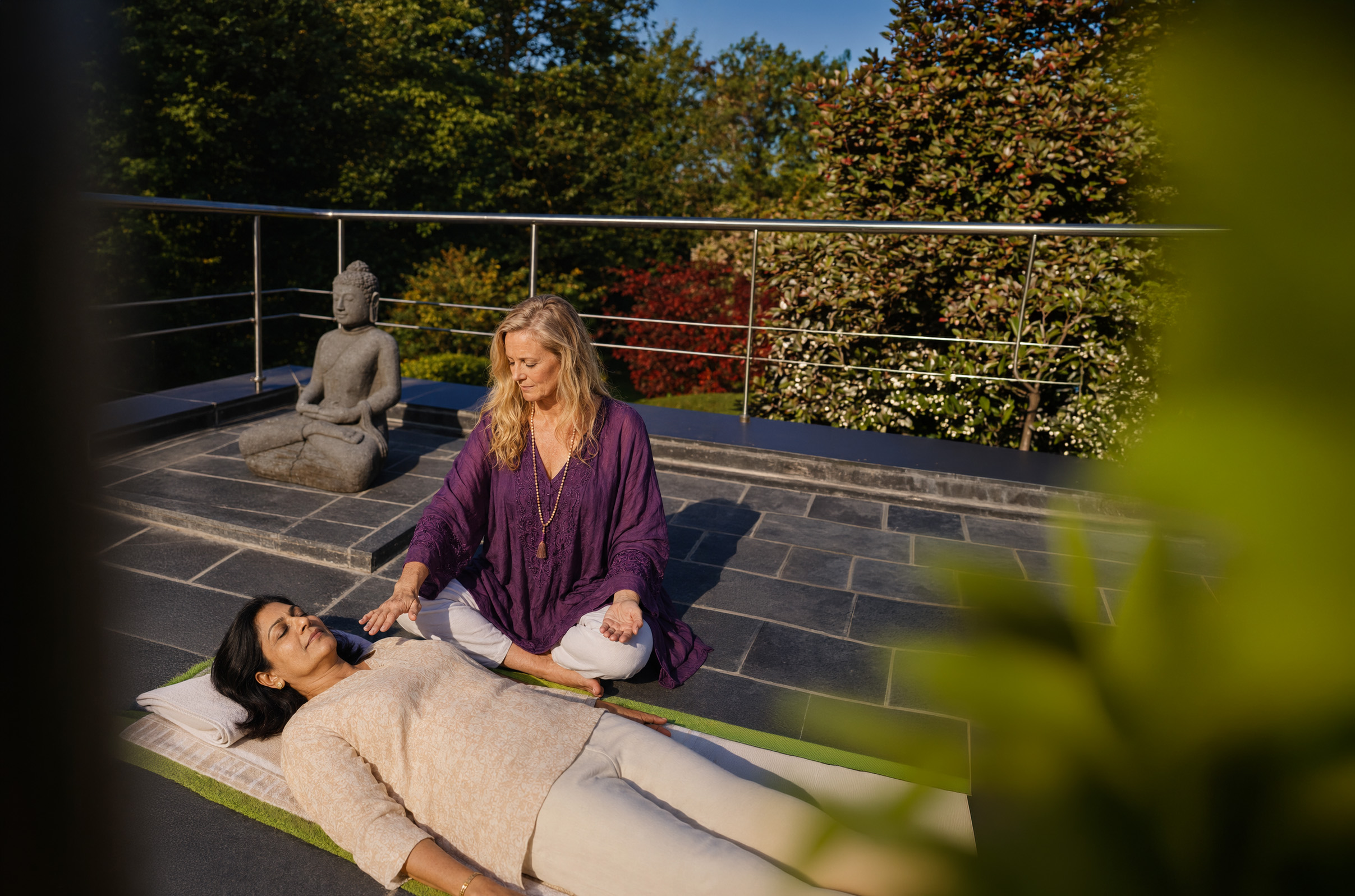
In this emotional healing retreat, embark on a journey of self-discovery and healing as one learns to take-on wellness of the soul, mind and body.
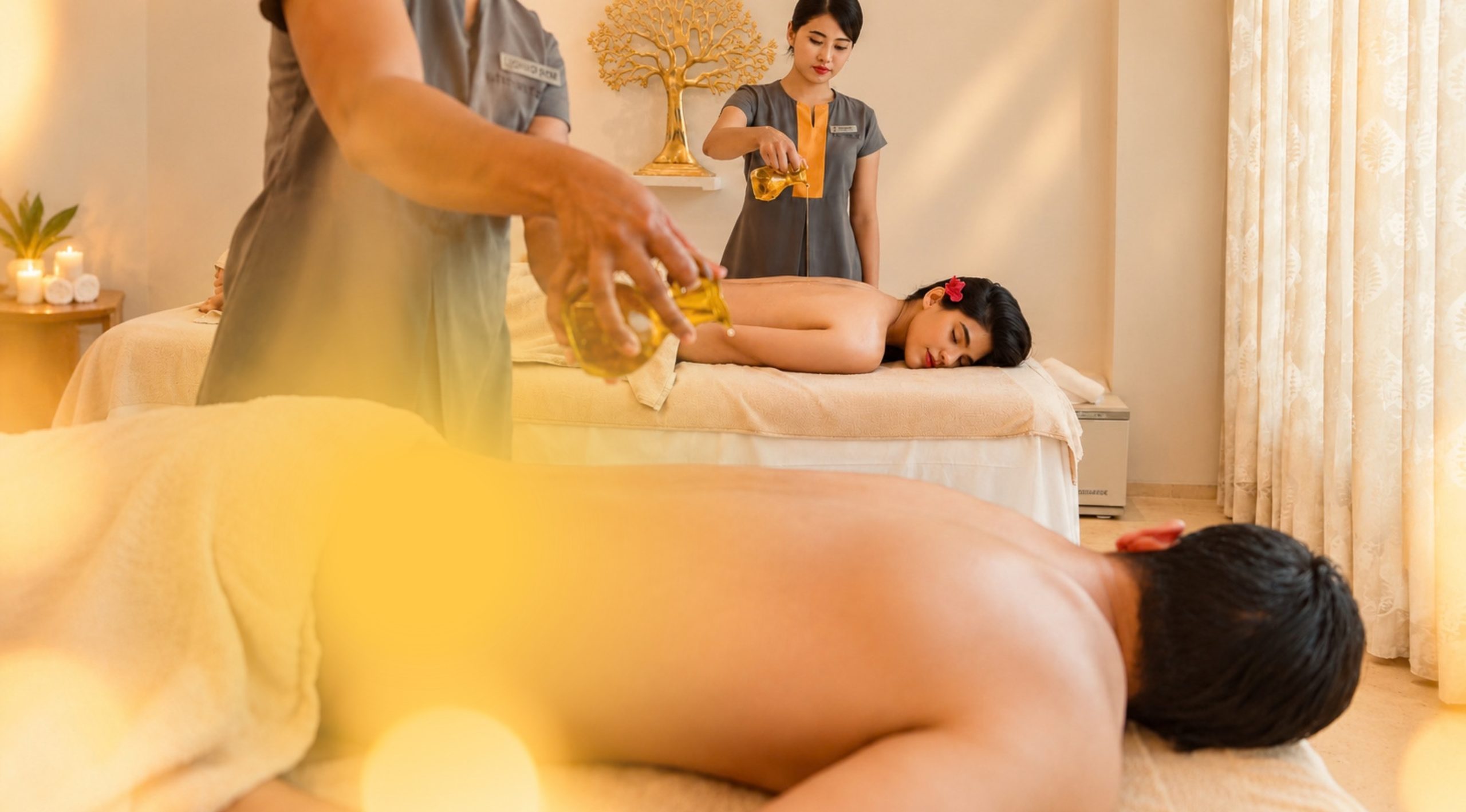
A happy couple is a radiant couple! This bridal retreat, also known as the pre-wedding ritual, is perfect for brides and grooms as they get wedding ready, and rejuvenate in the Atmantan valley.

This fitness retreat is for those who want to enhance their cardiovascular fitness, and improve muscle endurance, all under the guidance and assessment of our experts.
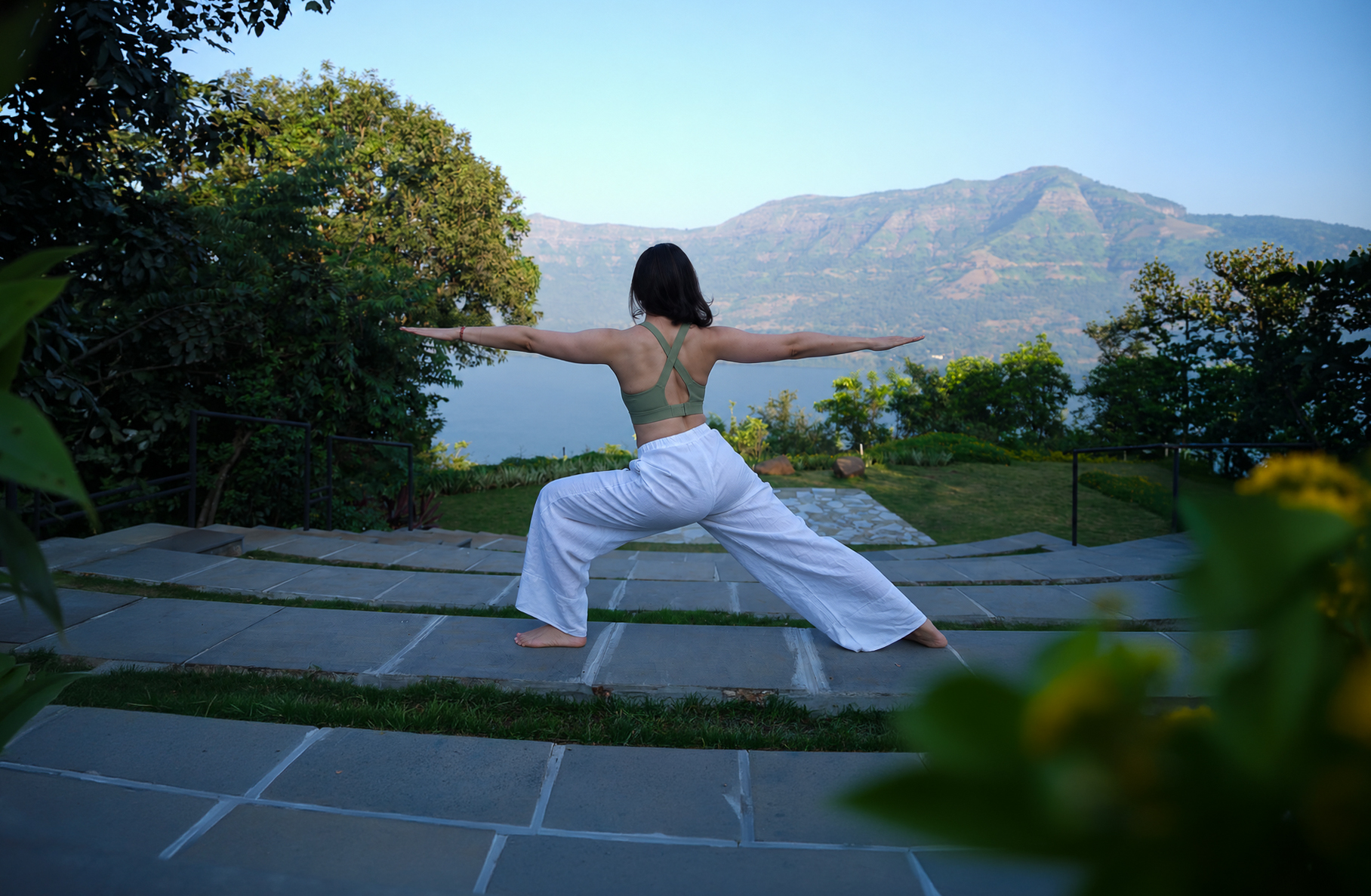
With this retreat, super-boost your immunity whether post-infection or when looking to better manage or treat any co-morbid conditions.
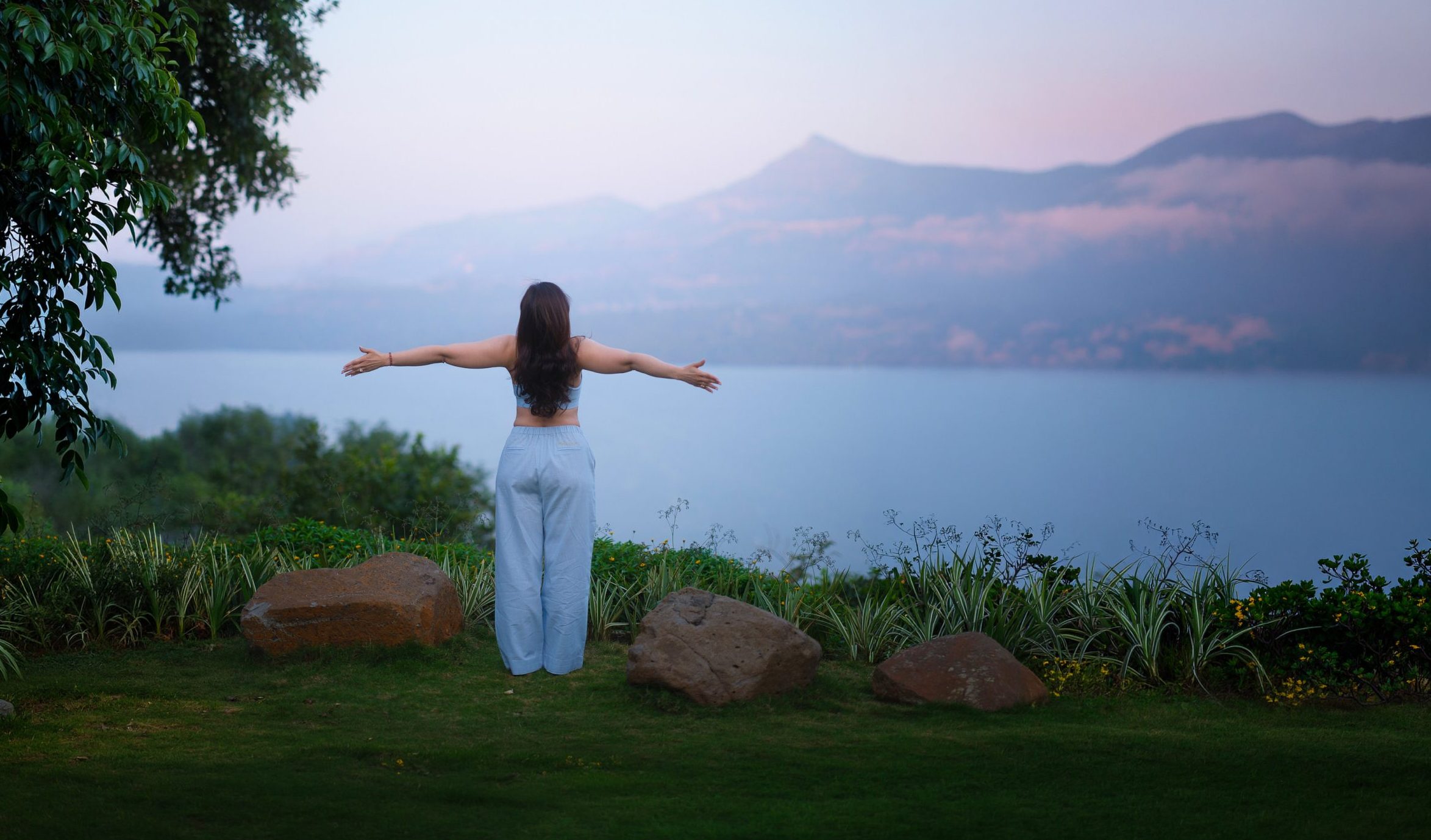
Disease management retreat is for those looking for treatment for their chronic ailments and compromised lifestyle conditions.