
Celebrating a decade of wellness... The Atmantan Way!

For years, 10,000 steps a day has been treated as the gold standard of fitness. Smartwatches celebrate it; people chase it after dinner even after a long day at work. Comparisons are done on walkers’ WhatsApp groups, and many people decide whether they had an active and a healthy day by whether they crossed that number.
It’s not as simple. According to fitness experts, the truth is more layered. Walking remains one of the best forms of movement available but considering a single step count as the full picture of health may not be accurate.
It’s important to note that the number doesn’t have any scientific grounding. According to Arun Singh, Head of Performance at DriveFITT, a sports and fitness club based in Gurugram, the goal traces back to 1960s Japan after the Tokyo Olympics, when a company launched a pedometer called “Manpo-kei” which roughly translated to “10,000-step meter.”
“10,000 steps was a marketing slogan, not a medical discovery. It became popular because it was clear, simple and easy to remember,” says Mukundhan Vijay Kumar, an independent fitness consultant based in Bengaluru.
That clarity helped. Public health advice such as 150–300 minutes of moderate activity per week can be a little confusing. A daily step goal, by contrast, is measurable and immediate.
Research suggests meaningful benefits may begin well below 10,000 steps. Kumar highlights a 2023 study published in the European Journal of Preventive Cardiology that found that walking more steps per day was linked to lower risk of death and cardiovascular disease, with benefits starting from around 4,000 steps and increasing further in the 7,000–8,000 range.
Another 2023 study in the British Journal of Sports Medicine found that just 11 minutes of brisk walking a day was associated with a lower risk of cardiovascular disease, cancer, and premature death. “No pill delivers this much benefit safely and at this low cost,” remarks Nikhil Kapur, founder-director of Atmantan Wellness Centre.
In other words, movement helps, and you may not need a perfect 10,000 to derive benefits.
Walking is powerful. It improves circulation, heart health, mood, insulin sensitivity, mobility, and general fitness. It is low-cost, accessible, and gentle on joints.
But experts caution that walking alone leaves gaps. Kapur says walking does little to stop sarcopenia, the age-related loss of muscle mass that can begin after 30 and accelerate later in life.
“Walking keeps you moving, but it does not fully protect functional strength or independence over the long term,” he says. That matters because muscle loss is linked to falls, fractures, lower metabolism, and reduced independence with age.
As per Kumar, what is important to factor in is what you are trying to achieve through walking. “For someone who is completely inactive, walking is an excellent starting point because it solves the first and biggest problem, lack of movement. If the goal is fat loss, improved endurance, or cardiovascular fitness, then intensity and pace begin to matter more than the total number of steps.”
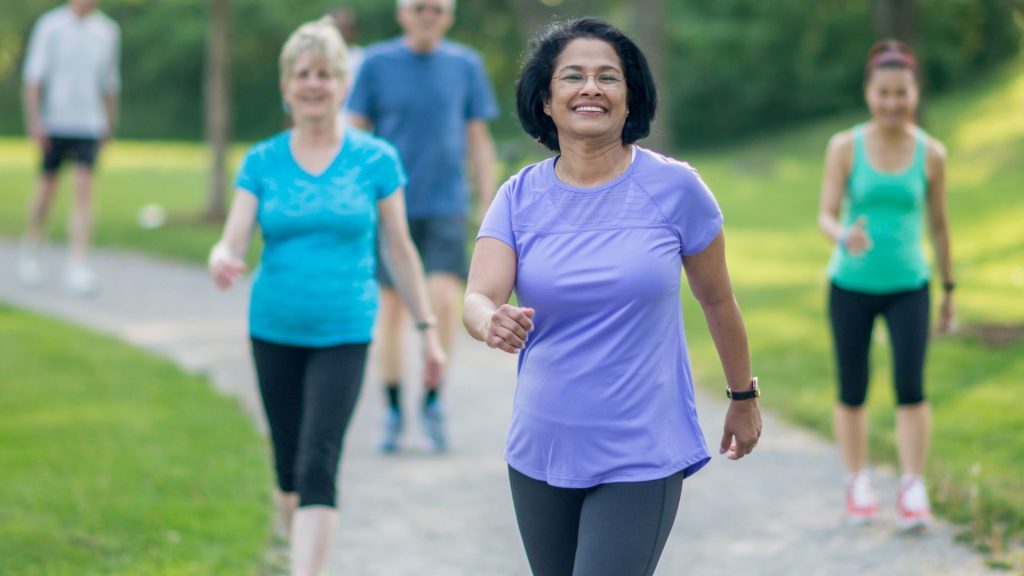
For example, a brisk walk that raises heart rate may be more beneficial than a stroll that simply adds numbers to a tracker. Heart rate, effort level, terrain, and duration all shape the impact of the activity. Likewise, someone recovering from illness or managing a heart condition may need a very different walking plan from a healthy young adult.
Kumar emphasises that walking should be personalised. The same activity can serve different purposes depending on the individual. For some, it is the beginning of movement. For others, it is recovery. For others still, it is one part of a wider fitness routine.
Someone may log 10,000 steps daily yet still have poor muscle strength, low mobility, weak bones, poor sleep, high stress, or metabolic issues linked to nutrition and sedentary work. Kapur notes that steps improve cardiovascular risk markers, but they do not replace resistance training or proper nutrition.
Arun Singh adds that chasing step counts without considering recovery can even backfire. “If you are consistently underslept or chronically stressed, pushing for high step counts can spike cortisol levels and lead to systemic fatigue rather than fitness gains.”
A stroll, a brisk walk uphill, walking stairs, and walking while carrying groceries may all register as steps, but they challenge the body differently.
Walking is described as “beautifully modifiable”: swinging your arms or carrying light weights turns it into a full‑body movement.
Experts say the quality of movement often matters more than the number alone. “The focus is not on a rigid step count, but on how walking can be modulated to do different kinds of work for the body. Walking is described as “beautifully modifiable”: swinging your arms or carrying light weights turns it into a full‑body movement; walking backwards (retro‑walking) sharpens balance and wakes up the nervous system; trails, uneven ground, hills, treks, and staircases make your ankles, hips, and stabiliser muscles do the work they were designed for. In effect, you “build strength without calling it that,” says Kapur.
To age well, Kapur advises daily walking for about 30 minutes on varied terrain, with arms engaged; twice‑weekly strength work (15 minutes with bodyweight squats, bands, or light dumbbells) and good macro and micro intake and hydration.
Arun Singh recommends a more practical framework: “7,500 + 30.” It means:
This approach aligns with current evidence that benefits rise sharply in the 7,000–8,000 range for many adults while simultaneously prioritising intensity and consistency.
Experts are of the view that strength training becomes non-negotiable in one’s 30s. Without resistance training, the body gradually loses muscle and bone density. Singh expresses, “While walking supports cardiovascular health, it cannot provide the mechanical loading required to preserve muscle mass or metabolic rate.”
Walking remains one of the most valuable forms of exercise available. It’s incorrect to rely on it completely to maintain health and an active lifestyle.
A healthier formula today may be
(As originally published by The Healthy Indian Project)

Let's get you started on your Wellness Journey with us...

The everyday movements that keep your life your own.

This lifestyle management retreat is your auspicious beginning to wellness… you can now live the wellness way at Atmantan and make it your mantra for a lifetime.
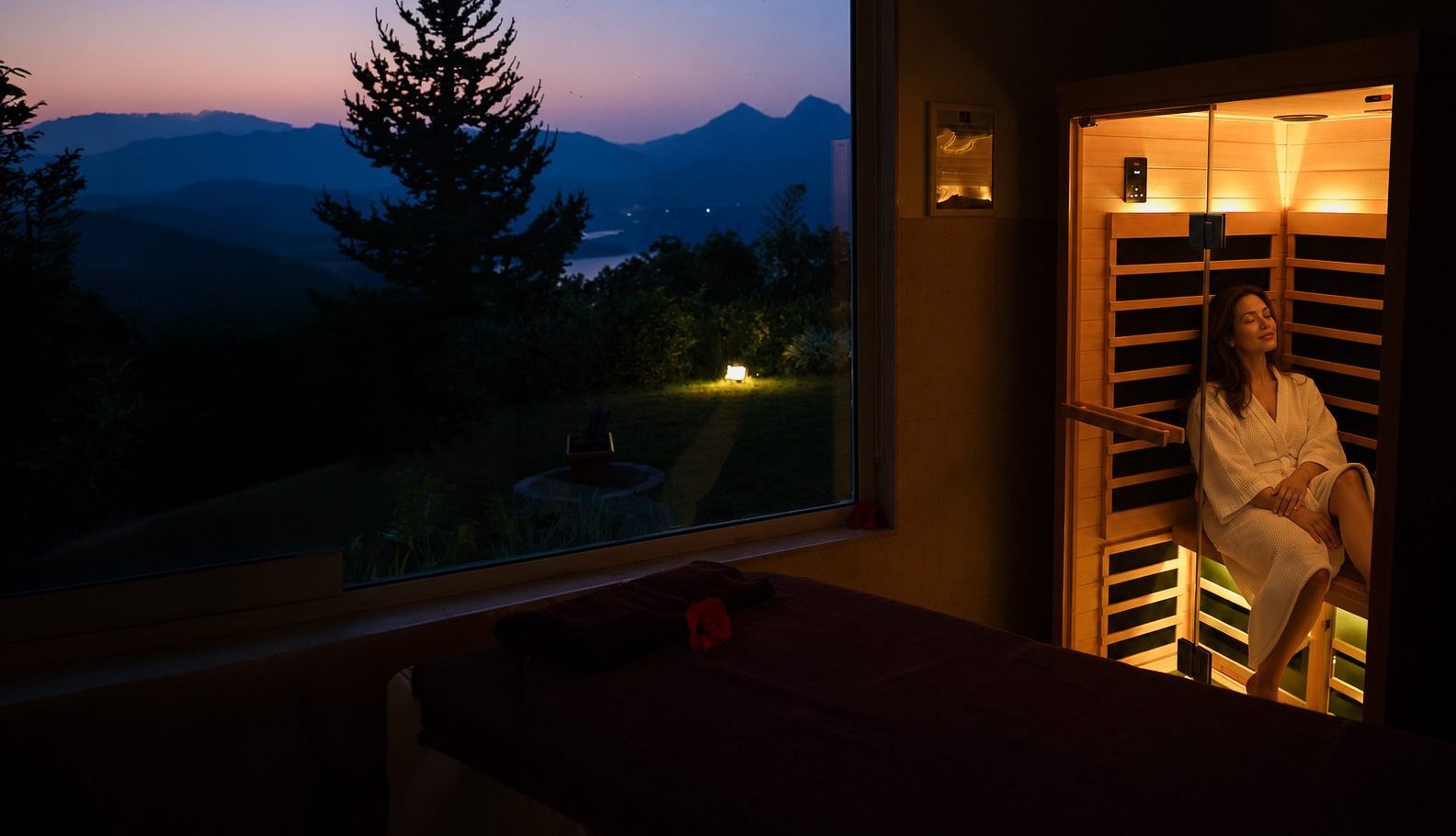
A spa retreat, where you experience the invigorating, pampering Atmantan has to offer that nourishes your mind, and body.

The ultimate cellular detoxification at Atmantan that enables toxin elimination, liver cleanse and enhanced therapeutic benefits.

Discover a healthier you in this weight loss retreat, where you empower yourself to make positive lifestyle changes and get to a sustainable optimal body composition.
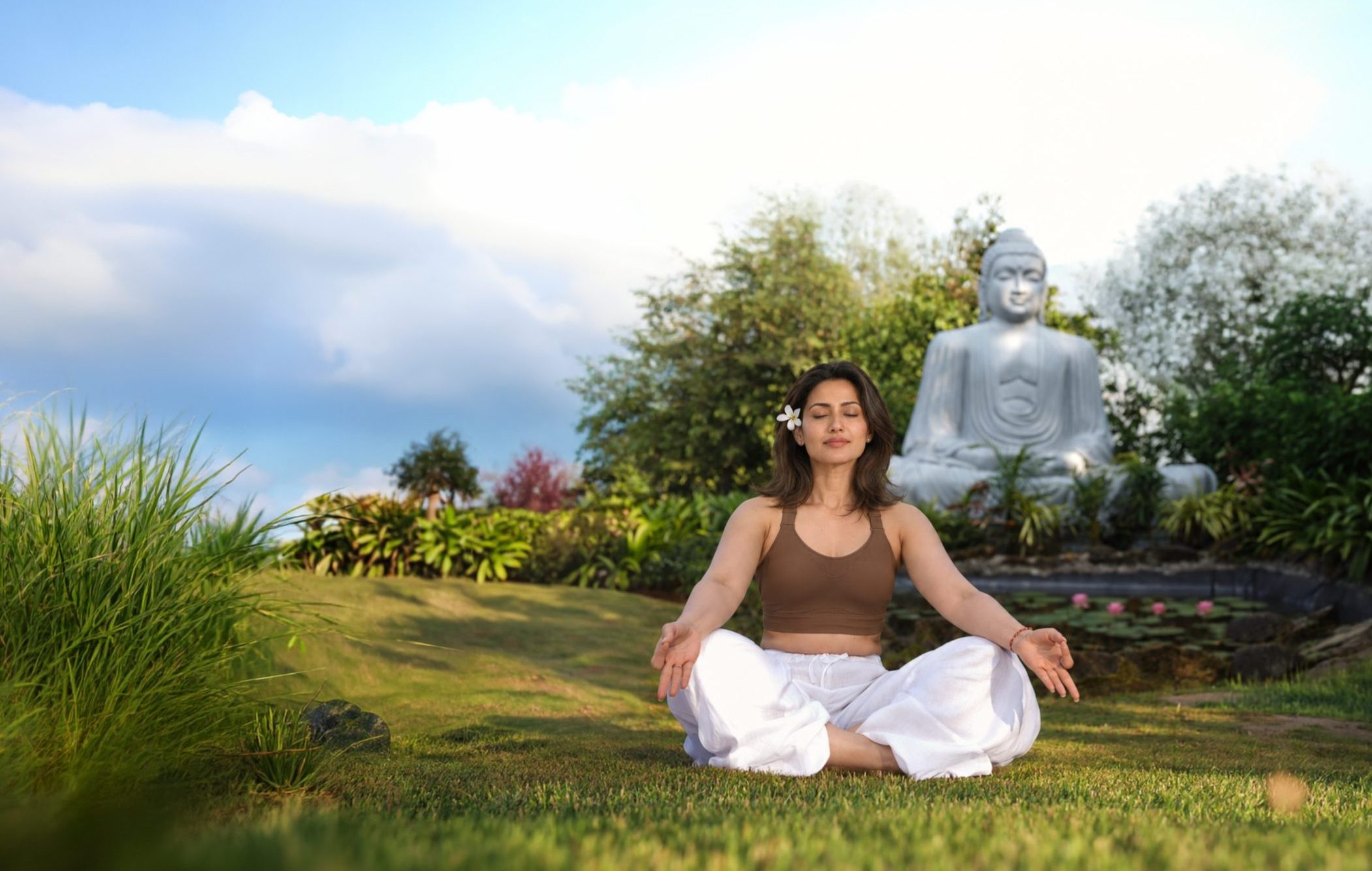
A Yoga retreat suited for a beginner to an advanced, where you can start anew or even delve deep into the ancient, sacred science of Yoga.

This Ayurveda retreat is the age-old journey of discovery, cleansing and the awakening of the inner healing energies and senses.
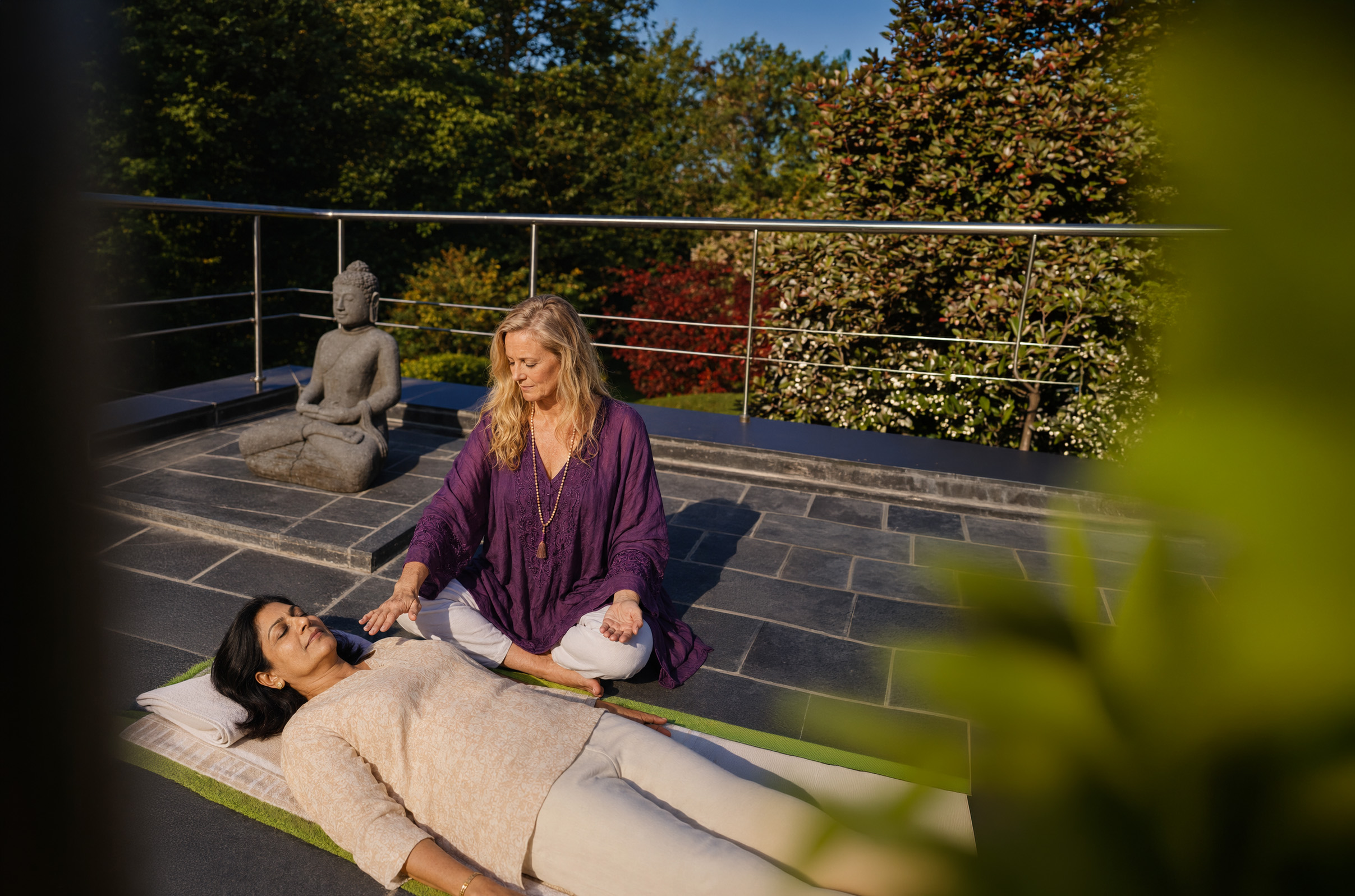
In this emotional healing retreat, embark on a journey of self-discovery and healing as one learns to take-on wellness of the soul, mind and body.

A happy couple is a radiant couple! This bridal retreat, also known as the pre-wedding ritual, is perfect for brides and grooms as they get wedding ready, and rejuvenate in the Atmantan valley.

This fitness retreat is for those who want to enhance their cardiovascular fitness, and improve muscle endurance, all under the guidance and assessment of our experts.
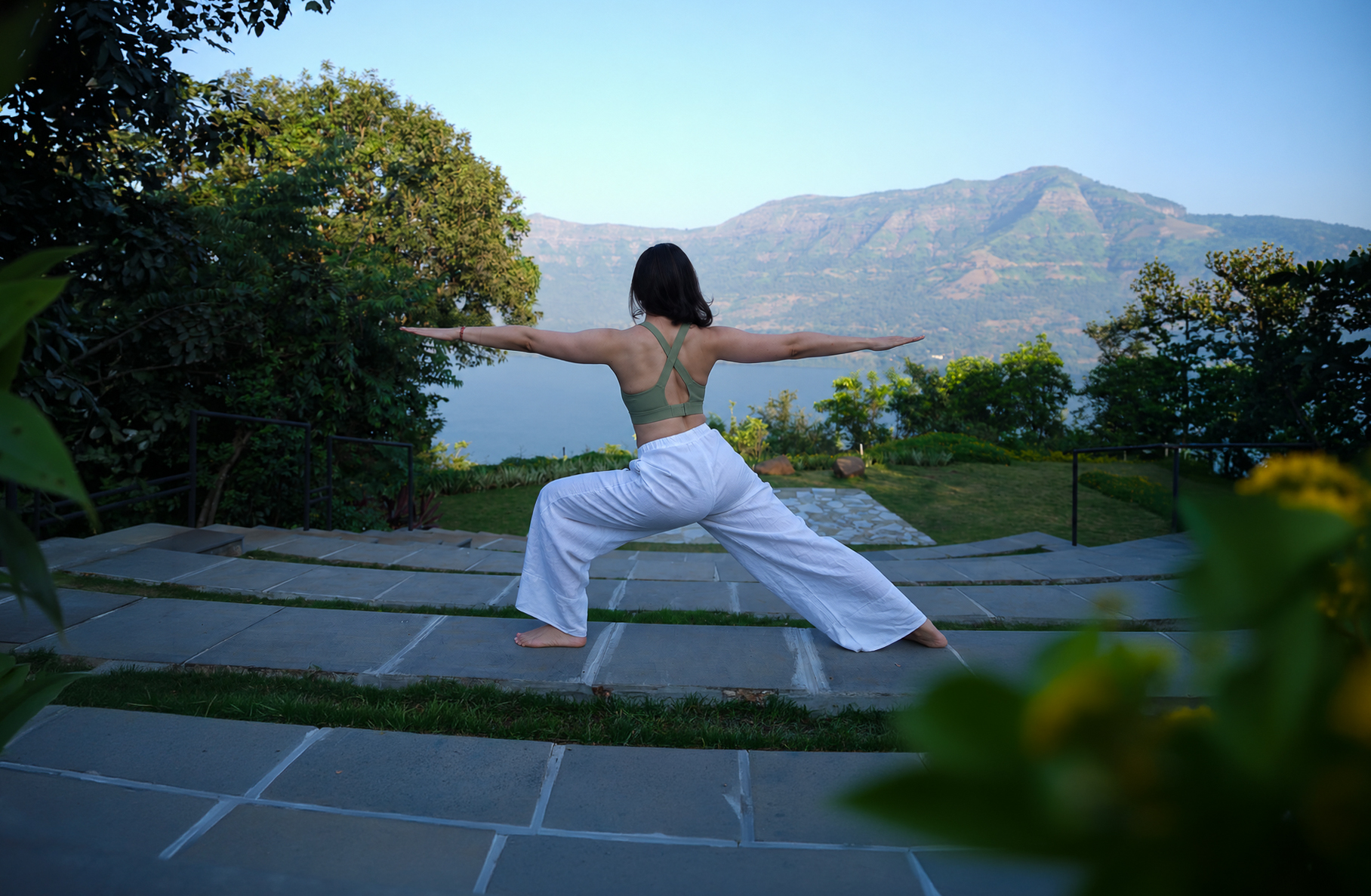
With this retreat, super-boost your immunity whether post-infection or when looking to better manage or treat any co-morbid conditions.
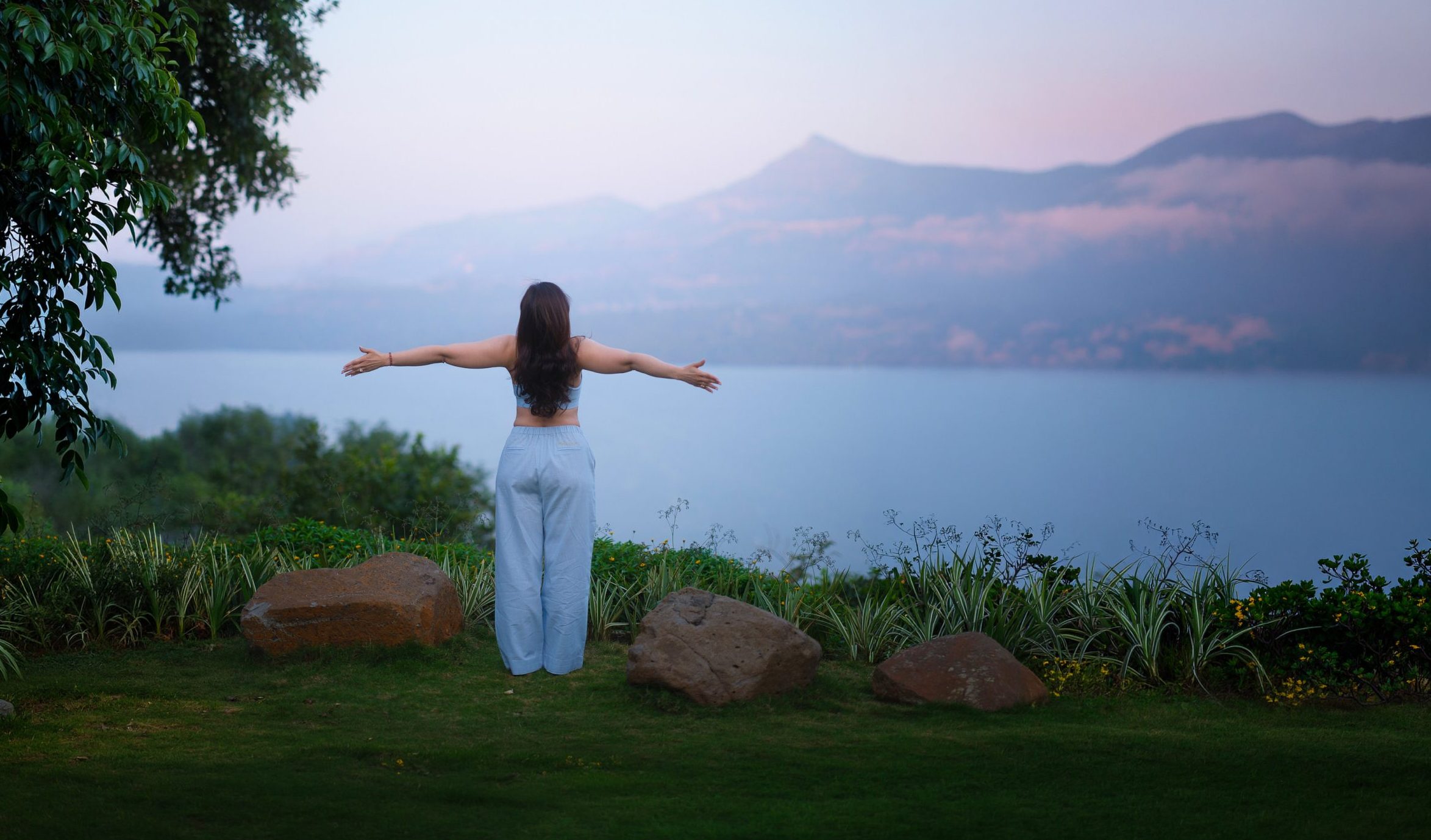
Disease management retreat is for those looking for treatment for their chronic ailments and compromised lifestyle conditions.